Geomagnetic · Seismic · Solar
Earth & Space
The planet is speaking. Are we listening?
Scroll
Geomagnetic · Seismic · Solar
The planet is speaking. Are we listening?
Live Data
Magnetic Shield
29.5 µT
-5% per century
Pole Drift
55 km/yr
Heading toward Siberia
Schumann Resonance
7.83 Hz
Earth's heartbeat
Earthquakes M4+ (7d)
12
This week · 2 major
Near-Earth Objects
7
Close approaches this month
S. Atlantic Anomaly
Growing
Weakest shield region
Geomagnetic Shifts
Earth's invisible shield is weakening. The magnetic north pole is on the move. And a growing hole in the field is expanding over the South Atlantic.
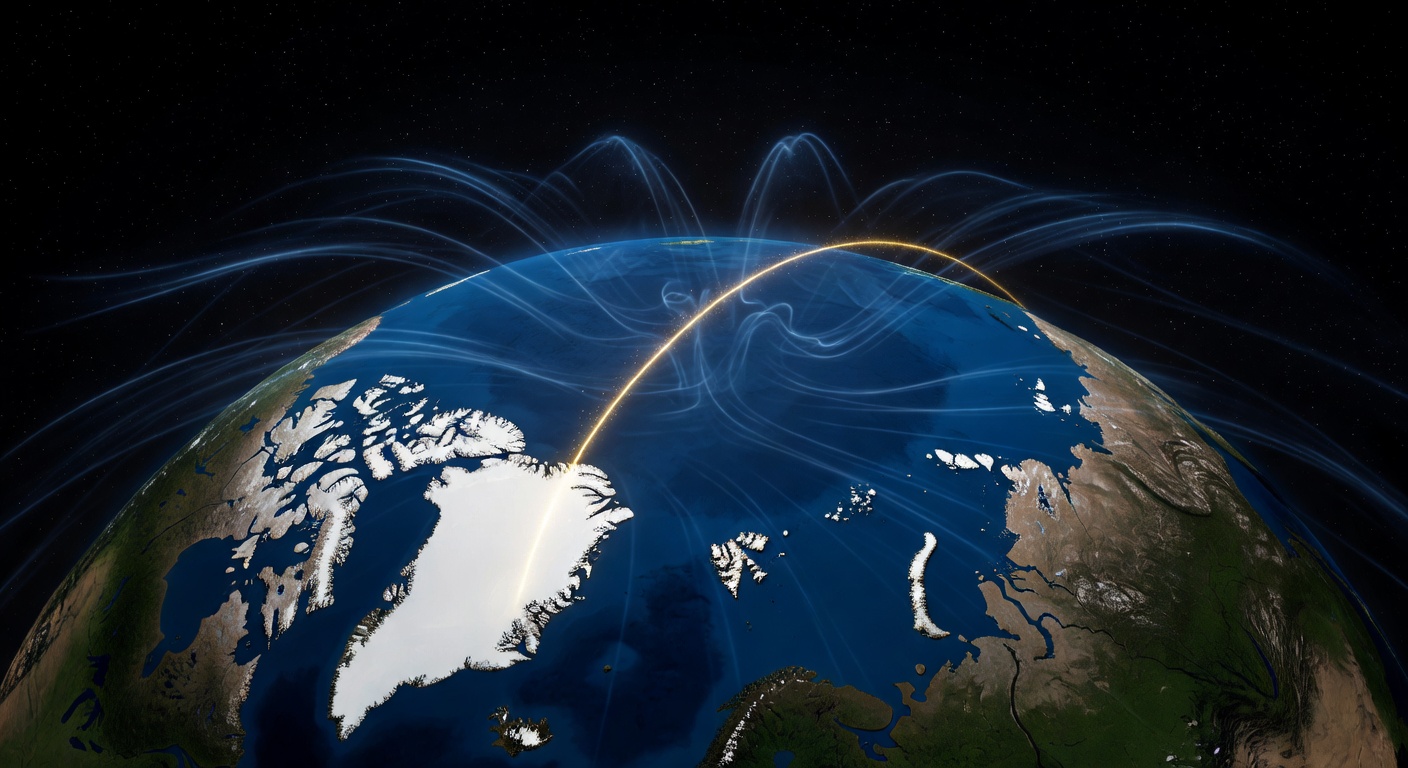
Earth's magnetic field has weakened by ~9% over the last 200 years. The magnetic north pole is racing from Canada toward Siberia at 55 km/year — it was barely moving before 1990. The South Atlantic Anomaly is a growing weak spot where the field is already dangerously thin.

Some researchers believe we may be in the early stages of a magnetic excursion or even a pole reversal. The last full reversal was ~780,000 years ago (the Brunhes-Matuyama reversal). Excursions happen more frequently — the Laschamp event was only ~41,000 years ago.
7.83 Hz
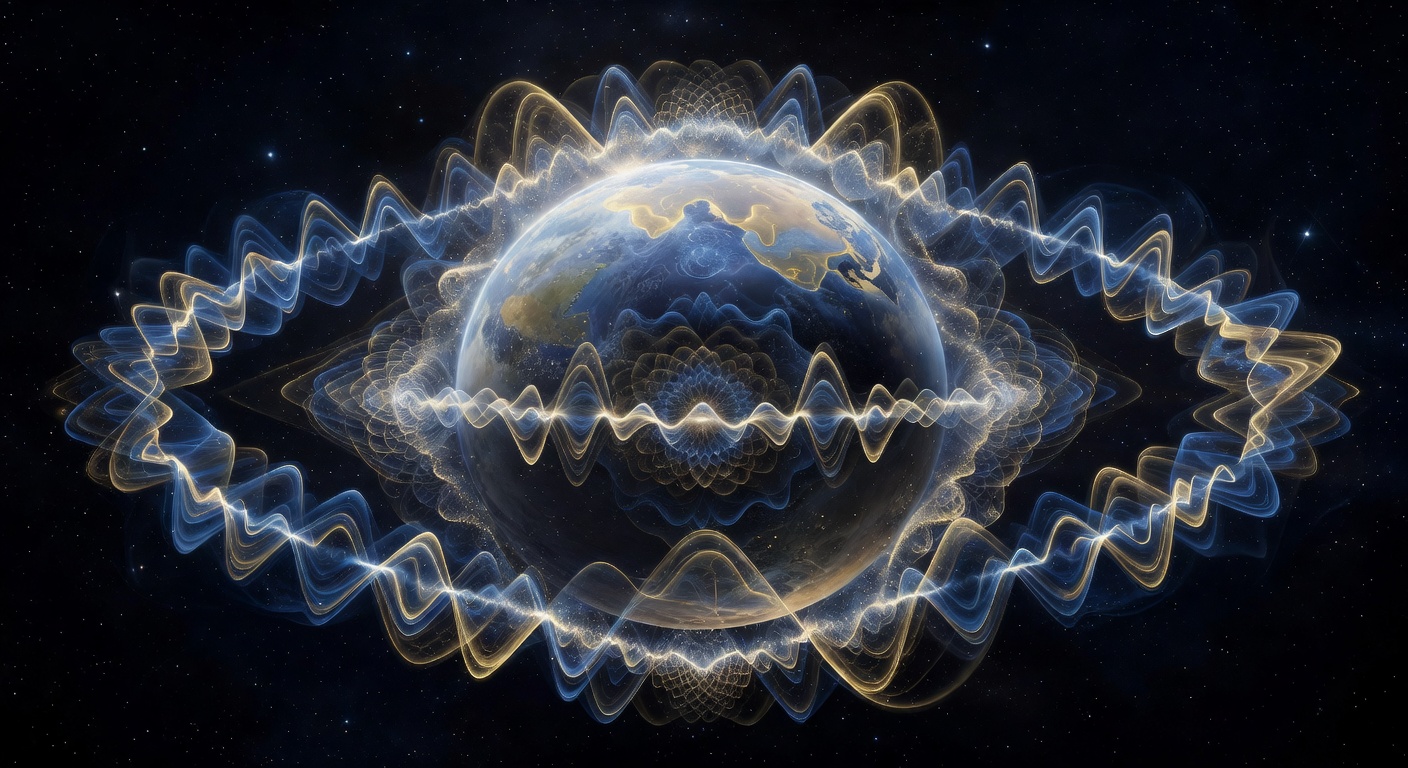
The Schumann resonance (7.83 Hz) is the electromagnetic heartbeat of the planet — a standing wave in the cavity between Earth's surface and the ionosphere. It was predicted by Winfried Schumann in 1952 and first measured in 1954.
Some researchers track anomalies in the Schumann resonance as indicators of seismic and geomagnetic activity. Spikes in Schumann power have been correlated with earthquake activity, solar storms, and large-scale weather patterns. The base frequency sits right at the boundary between theta and alpha brainwave states — a coincidence that has fascinated researchers for decades.
Seismic & Near-Earth
Indonesia, Sulawesi
2 hours ago · 35 km depth
Chile, Atacama Region
6 hours ago · 112 km depth
Japan, Honshu
14 hours ago · 22 km depth
Turkey, Eastern Anatolia
1 day ago · 10 km depth
Alaska, Aleutian Islands
1 day ago · 45 km depth
Placeholder data · Live feed coming soon
2024 QR3
0.8 LD2023 HV5
2.1 LD2025 AB1
4.7 LD2024 XK9
6.3 LD2023 RM
8.9 LDLD = Lunar Distance (384,400 km) · Placeholder data
Solar Cycle 25
Sunspot Count
142
Above predicted levels
Strongest Flare
M2.1
3 M-class today
Kp Index
Kp 3
Quiet · No storms
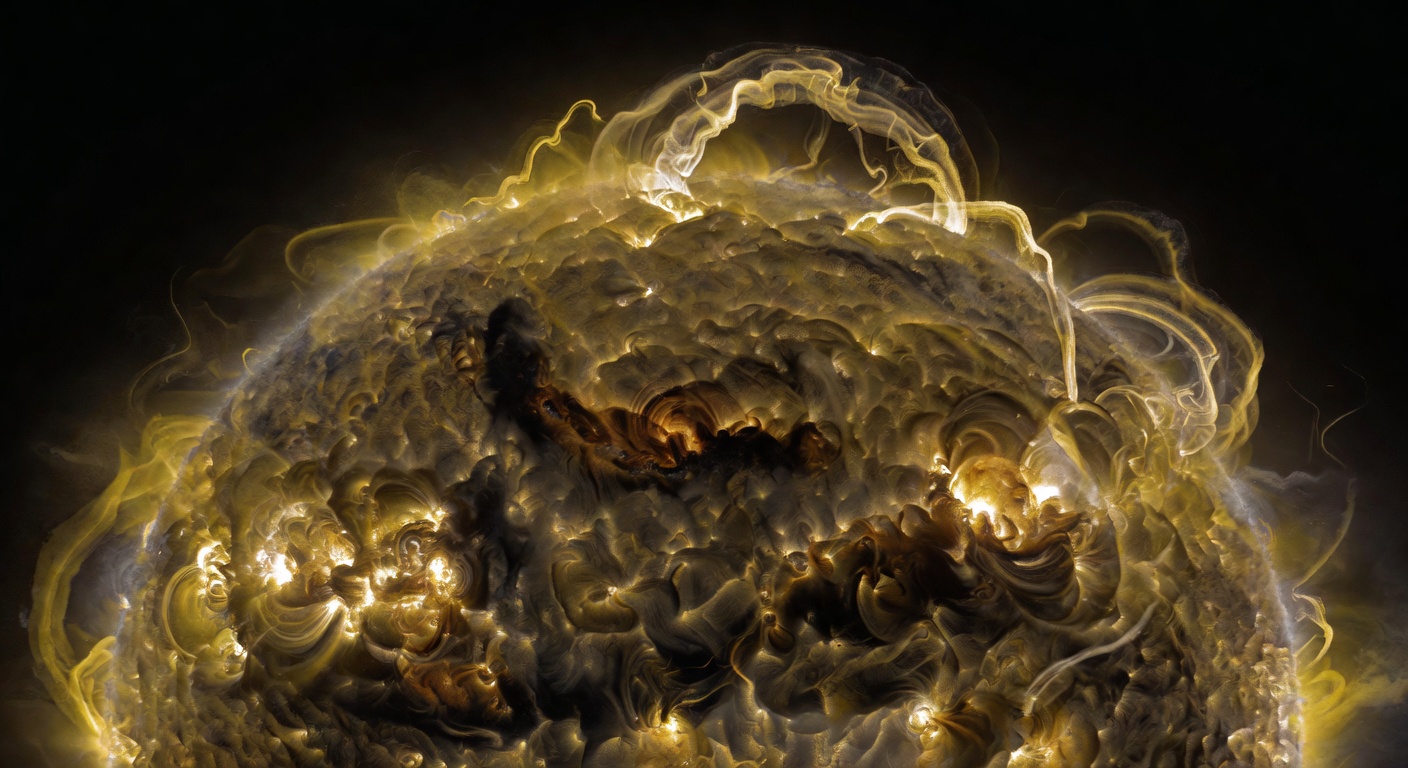
Solar Cycle 25 has exceeded all predictions. Sunspot counts have consistently outpaced NASA and NOAA forecasts, with the cycle producing significantly more activity than the originally predicted "weak cycle." We are currently past solar maximum, but activity remains elevated.
Strong solar flares and coronal mass ejections (CMEs) can affect satellites, GPS, radio communications, and power grids. The Carrington Event of 1859 — the most powerful geomagnetic storm on record — would cause trillions in damage if it happened today. A near-miss of similar scale occurred in 2012.
Magnetic field, tectonic plates, atmospheric resonance, all interconnected. The ancients built their monuments to track these forces. We're only now beginning to understand why.
Göbekli Tepe, the Great Pyramid, Newgrange, Angkor Wat — all precisely aligned to celestial and geomagnetic phenomena. The builders of these structures understood something about Earth's energy systems that we're still rediscovering.